
195
doorsets surveyed
6
levels
100%
photographed & tagged
1
digital register handed over
The challenge
The Design Museum occupies the former Commonwealth Institute building in Kensington — a Grade II* listed structure with a hyperbolic paraboloid roof, open atrium galleries and a public programme that runs seven days a week. The client, a managed-services provider responsible for the building, needed to know the true condition and compliance position of every fire door in it.
There were three problems with the position they inherited. They did not have a complete list of the doorsets. What records existed were spreadsheets with no photographic evidence behind them, so no line in them could be defended in an audit. And because the building is listed and architecturally significant, any remedial programme had to distinguish between doors that could simply be replaced and doors where the leaf, frame or ironmongery was part of the protected fabric.
On top of that, nothing could disrupt the visitor experience. Survey work had to happen around exhibition installs, school groups, private hires and daily opening hours.
What we did
We surveyed all 195 doorsets across six levels to BS 8214 and the FDIS inspection methodology. Every doorset was inspected as a complete assembly — leaf, frame, intumescent and smoke seals, glazing and beads, hinges, closer, latch, signage, gaps and threshold — rather than as a door with a rating written on a schedule.
Each asset was given a unique QR tag fixed to the frame and recorded in Onetrace, our digital asset register. Scanning the tag brings up that doorset's record: location, drawing reference, photographs, every defect found, the standard it was assessed against and the history of anything done to it since.
Defects were scored and colour-banded so the client could see, at a glance, which doors were a genuine life-safety risk today, which were non-compliant but stable, and which were cosmetic. Each band carried a costed remedial line, so the register doubled as a budget.
Where a doorset formed part of the listed fabric, we recorded the upgrade route alongside the replacement route — what could be achieved with certified intumescent upgrades, seal replacement and ironmongery change, and where replacement was genuinely the only compliant answer. That distinction is what allows a heritage client to have the conversation with their conservation officer from a position of evidence.
The outcome
The client came out of the survey with a single, defensible compliance position for the whole building: 195 records, each with photographs and a named standard behind it, held in a register they can access themselves and hand to a fire officer, an insurer or an incoming contractor.
The prioritised programme let them phase the spend across financial years without leaving a high-risk door unaddressed, and the QR tags mean the next inspection starts from the existing record rather than from a blank sheet.
Because the register lives in Onetrace rather than in a PDF, every future repair, replacement or quarterly check appends to the same asset history — which is exactly the Golden Thread of information the Building Safety Act expects a building owner to be able to produce.
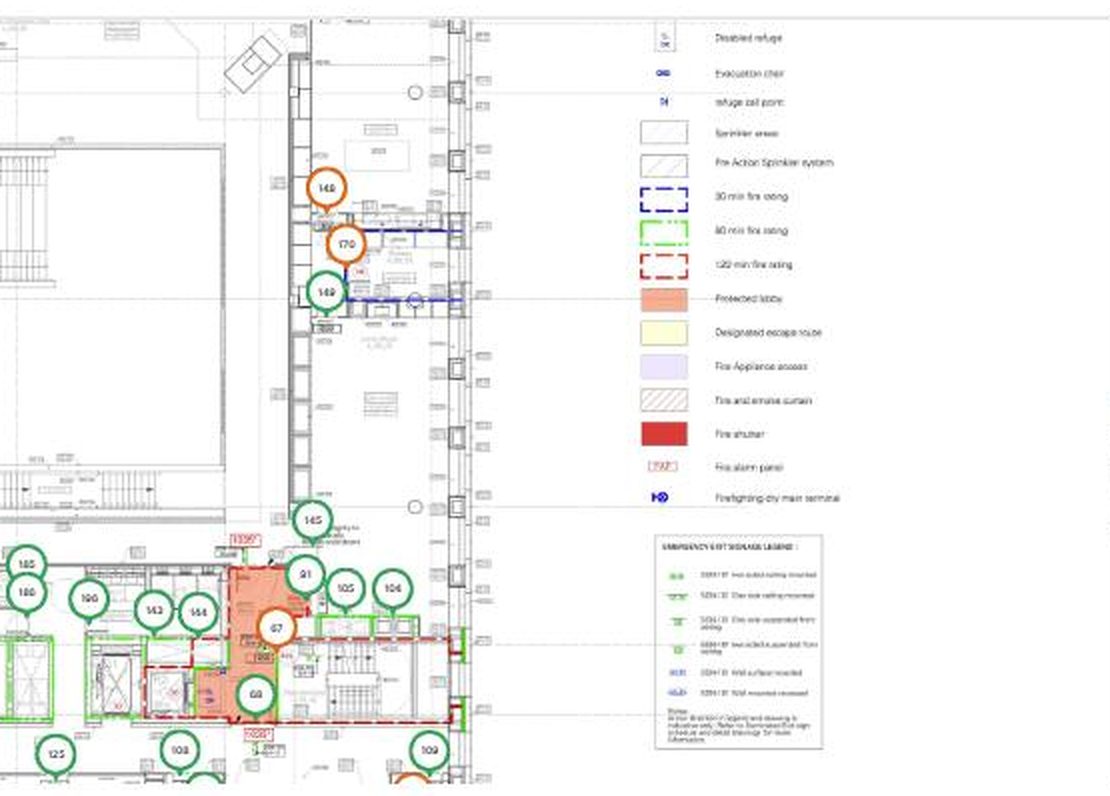
Doorset positions pinned to the floor plan in Onetrace — each pin opens the full asset record.
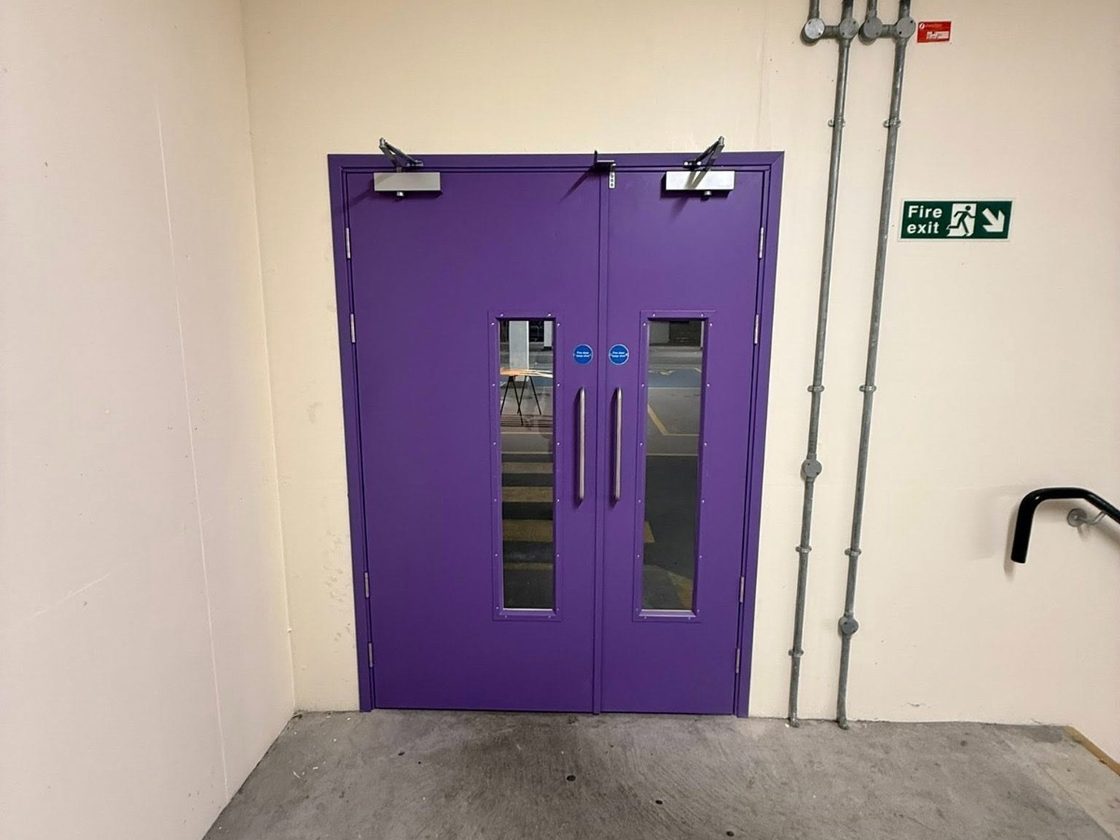
Illustrative — project photography to follow, subject to client permission.
Related
Need the same evidence for your estate?
Tell us the building and roughly how many doorsets or penetrations are in it and we will come back with a fixed price. Call 020 8769 8869 or send the details over.